Growing crops is one of the most rewarding parts of farm life. Whether you have a small homestead, backyard garden, or a few acres of land, producing your own food can provide both satisfaction and practical benefits. Fresh vegetables from the garden improve everyday meals, reduce grocery costs, and help households become more self-reliant.
However, not every crop is easy for beginners or small farms to manage. Some plants require very specific growing conditions, constant attention, or large amounts of space. For new growers, choosing crops that are productive, adaptable, and relatively low maintenance makes gardening much more enjoyable.
Fortunately, many vegetables grow quickly, produce generous harvests, and thrive in a wide range of conditions. These crops are ideal for small farms, homesteads, and beginner gardeners who want reliable results without complicated growing methods.
This guide highlights several easy crops that grow well on small farms and provide consistent harvests throughout the growing season.
Why Choosing the Right Crops Matters
Selecting the right crops is one of the most important decisions for any small farm or garden. The plants you choose determine how much food you harvest, how much time you spend maintaining the garden, and how successful your growing season will be.
Beginner farmers often benefit from crops that are known for being hardy and productive. These plants typically grow well in common garden soil, tolerate minor mistakes, and produce harvests even if growing conditions are not perfect.
Many successful small farms focus on crops that serve multiple purposes. For example, vegetables that can be eaten fresh, preserved for later use, or shared with family and neighbors provide more value throughout the year.
By starting with reliable crops, new growers can build confidence, learn basic gardening skills, and gradually expand their garden in future seasons.
The following crops are known for their productivity, simple growing requirements, and versatility in the kitchen.
1. Tomatoes
Tomatoes are one of the most popular and productive garden crops for small farms. A single healthy tomato plant can produce dozens of tomatoes throughout the growing season.
Tomatoes grow well in traditional garden beds, raised beds, and even large containers. They thrive in warm weather and require full sunlight for the best results.
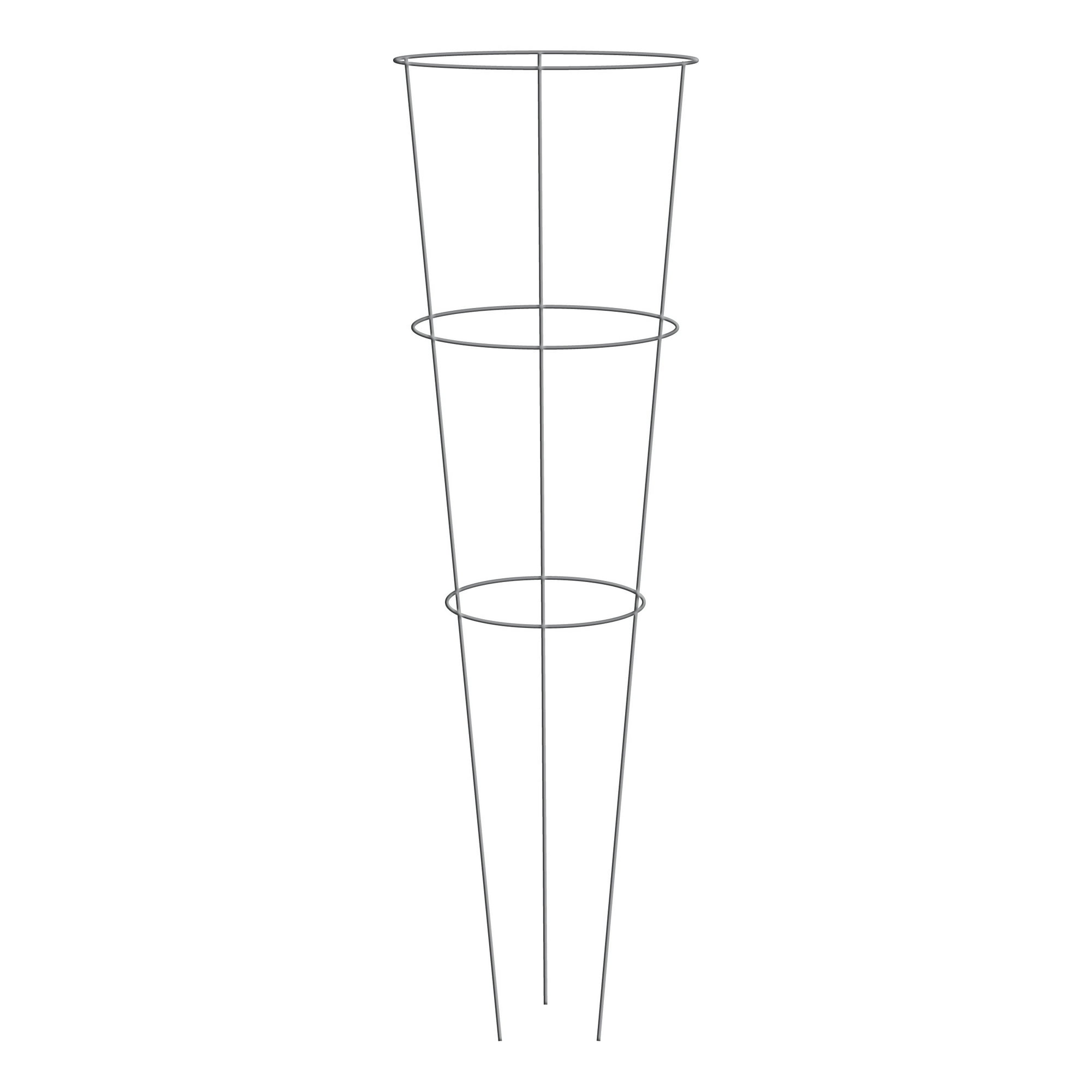
Supporting plants with tomato cages or stakes helps keep vines upright, improves air circulation, and prevents fruit from touching the ground. This simple support system can also make harvesting much easier.
Tomatoes are incredibly versatile in the kitchen and can be used for sauces, soups, salads, and home canning.
2. Zucchini
Zucchini is well known for producing large harvests from only a few plants. Because the plants grow quickly and produce heavily, they are an excellent choice for beginner gardeners.
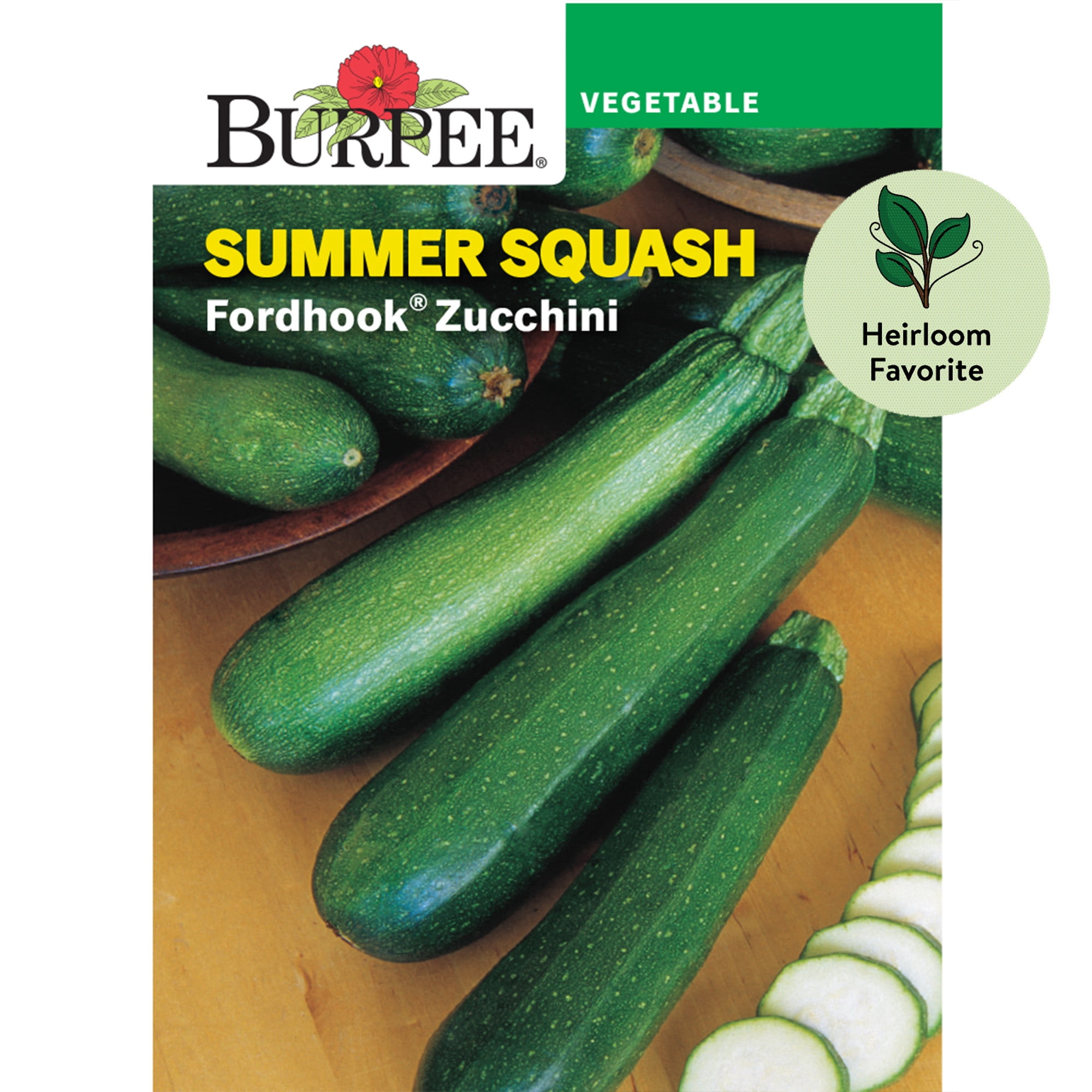
Once established, zucchini plants require very little maintenance beyond watering and occasional harvesting. In fact, regular harvesting encourages the plant to produce even more fruit.
Zucchini can be grilled, sautéed, baked into breads, or preserved through freezing. Many small farms grow zucchini because of its high productivity and simple growing requirements.
3. Green Beans
Green beans are another easy and reliable crop for small farms. They grow well in many climates and are relatively simple to care for.
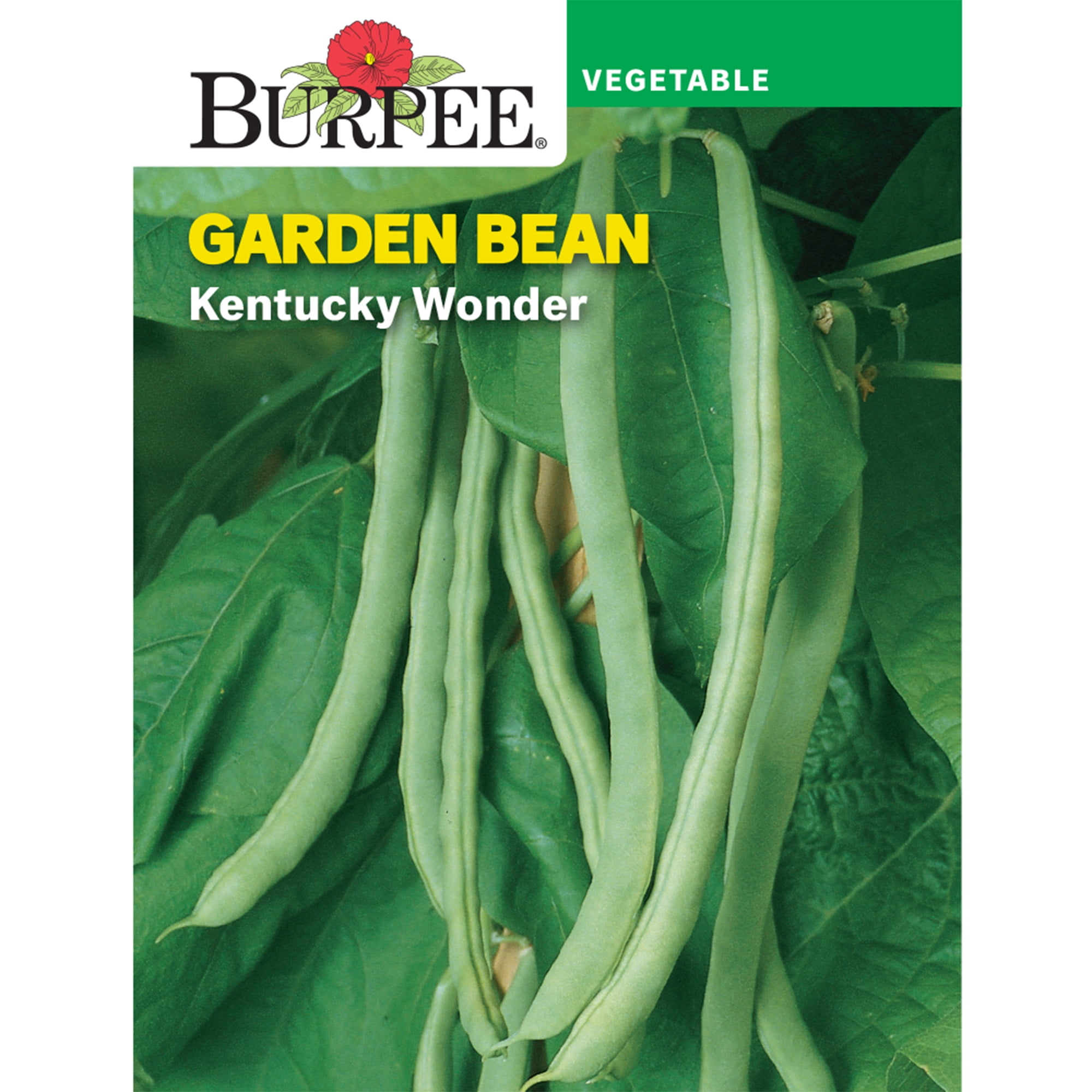
Bush bean varieties are especially beginner friendly because they do not require trellises or climbing supports. They grow in compact plants that produce large numbers of beans within a short period.
Green beans are great for fresh eating, freezing, and home canning. Planting several small batches during the growing season can help ensure a continuous harvest.
4. Potatoes
Potatoes are one of the most dependable crops for small farms. They grow underground and produce multiple potatoes from a single planted piece of seed potato.

Many growers use traditional garden rows, but potatoes can also be grown in raised beds, containers, or grow bags. Grow bags are particularly helpful for small farms with limited space.
As the plants grow, adding soil or mulch around the stems helps increase potato production and protects developing tubers from sunlight.
Potatoes store well for long periods, making them a valuable staple crop for many households.
5. Lettuce
Lettuce is a fast-growing crop that can provide fresh greens throughout much of the growing season. Many varieties mature quickly and can be harvested in just a few weeks.
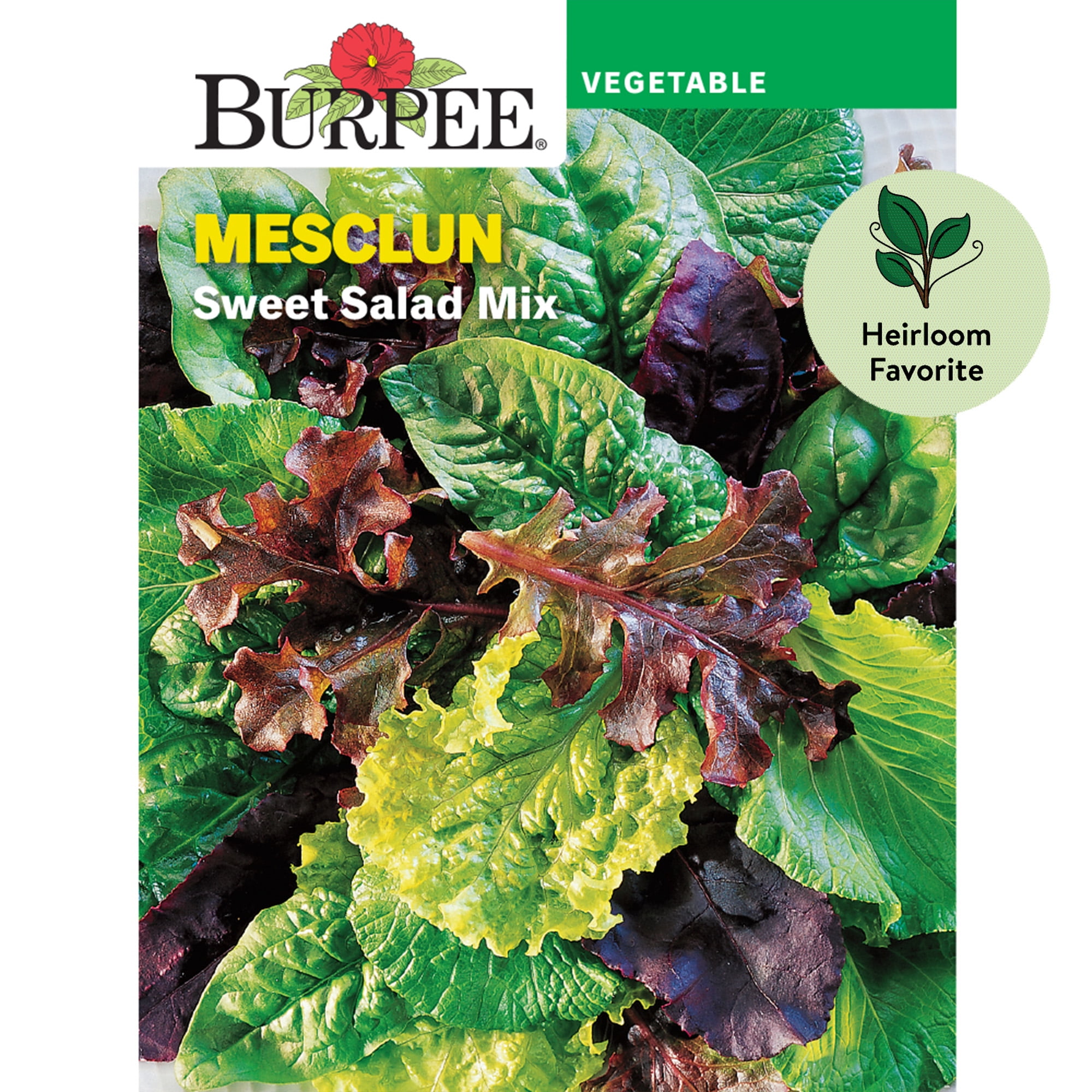
Instead of harvesting the entire plant at once, gardeners can pick individual leaves as needed. This method, often called “cut and come again,” allows the plant to continue producing new leaves.
Planting lettuce every few weeks ensures a steady supply of fresh salad greens throughout spring and early summer.
6. Cucumbers
Cucumbers are fast-growing plants that produce heavy harvests when given proper support and sunlight.

Growing cucumbers vertically using trellis netting saves valuable garden space and keeps fruit clean and easy to harvest. Vertical growing also improves airflow around the plants, which can help reduce disease.
Cucumbers are commonly eaten fresh in salads or preserved as pickles, making them a popular crop for many small farms.
7. Herbs
Herbs are among the easiest and most useful plants to grow on a small farm. They require little space and can be grown in garden beds, containers, or small herb gardens.
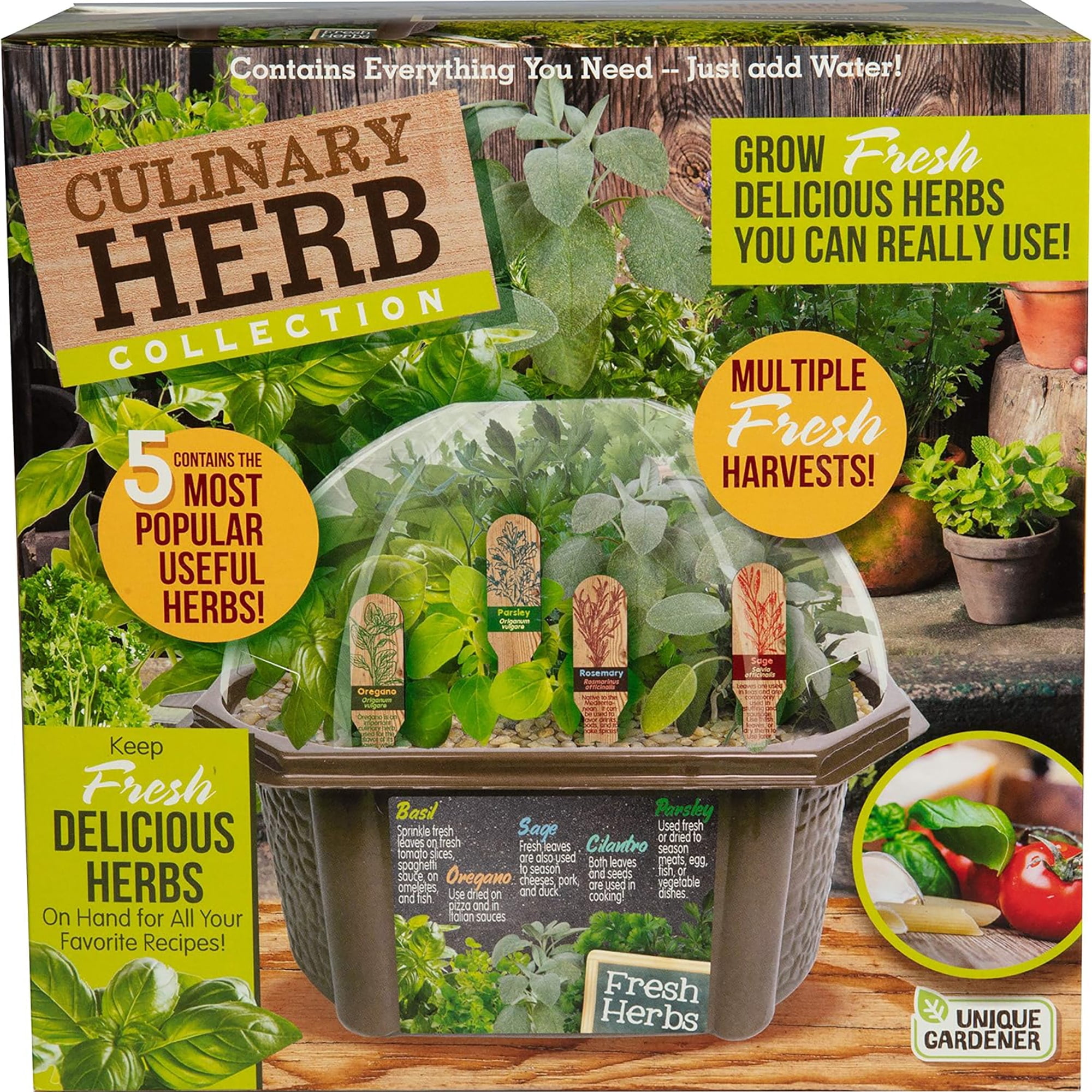
Popular herbs include basil, parsley, thyme, oregano, and rosemary. These plants add fresh flavor to everyday meals and can also be dried for long-term storage.
Many herbs grow continuously throughout the season, allowing gardeners to harvest small amounts whenever needed.
Final Thoughts
Small farms and homesteads benefit from crops that are easy to grow and produce dependable harvests. Choosing beginner-friendly vegetables allows growers to focus on learning gardening skills while still enjoying productive results.
Crops like tomatoes, zucchini, green beans, potatoes, lettuce, cucumbers, and herbs are well suited for small farms because they grow quickly, require minimal maintenance, and provide valuable food for the kitchen.
Starting with these reliable crops helps new farmers build confidence and experience while producing fresh, homegrown food throughout the growing season. Over time, small farms can expand their gardens and experiment with additional crops as their knowledge and skills continue to grow.